

 24Hotline:18962699833

What is the technological process of sandblasting computer shell?
Complete technological process of sandblasting computer (notebook aluminum alloy) shell
Main route: CNC machining → pretreatment and cleaning → shielding protection → sandblasting → cleaning inspection after sandblasting → anodizing (coloring) → laser engraving (optional) → hole sealing → finished product inspection.
Sandblasting belongs to the previous process of anodic oxidation, aiming at eliminating CNC knife marks, obtaining uniform matte sand surface and improving the adhesion of oxide film. The shell is mostly thin-walled, and the deformation risk should be controlled throughout.
1, CNC semi-finished products.
The shell is milled by CNC to complete the shape, interface and opening; There are knife marks, cutting fluid oil stains and burrs on the surface.
Key points: the thin-walled shell can't have obvious deformation, and sandblasting can't correct large dimensional deformation.
2. Pretreatment before sandblasting
1) degreasing and cleaning: ultrasonic degreasing to remove cutting oil, fingerprints and oil stains. Direct sandblasting with oil will cause sand particles to stick to the surface, resulting in pits and spots.
2) Shielding protection: high-temperature resistant adhesive tape and plug protection plug are attached to the threaded hole, positioning datum plane and connector assembly position to avoid damaging the precision surface by sandblasting; If the LOGO area needs laser engraving, it doesn't need shielding.
3, sandblasting process (core)
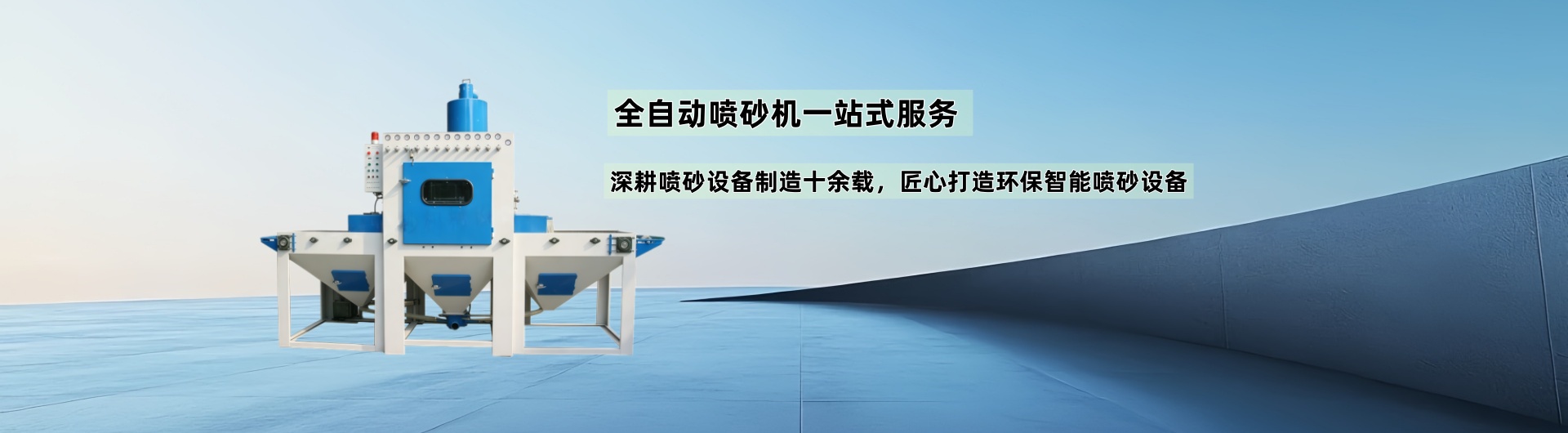
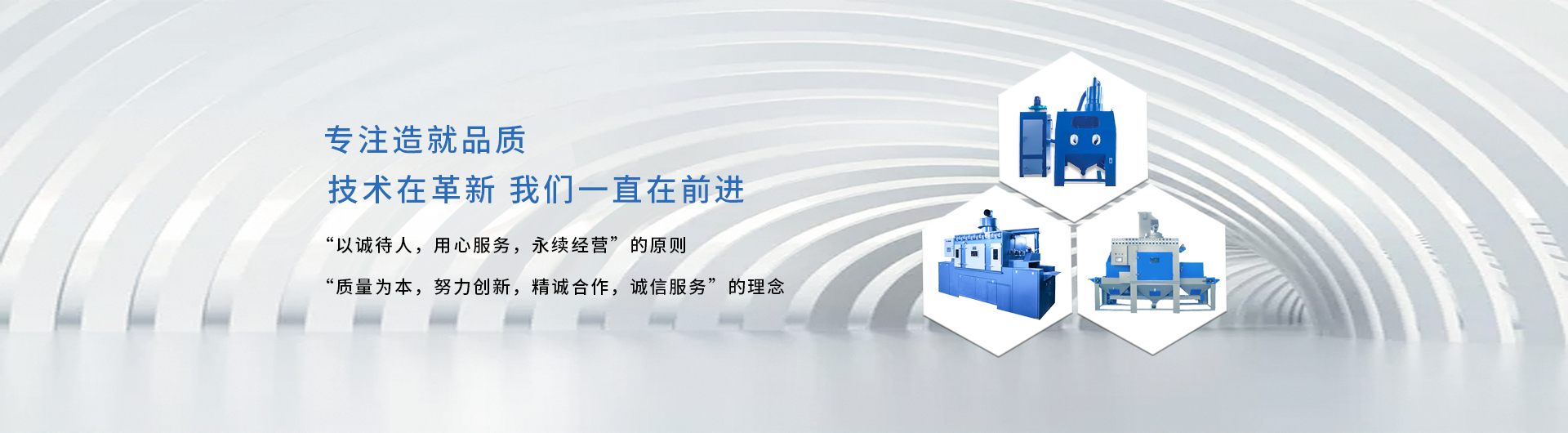
Equipment: explosion-proof suction automatic sandblasting machine (turntable/mesh belt), and aluminum dust must be explosion-proof.
Process reference:
Abrasive: ceramic sand/glass sand, 120180 mesh, the higher the mesh number, the finer the sand grain;
Air pressure: 0.25‑0.35MPa, high pressure is strictly prohibited for thin walls to prevent the shell from being depressed and deformed;
Distance of spray gun: 100‑150mm, spray angle 4,560, spray gun swings at a uniform speed, and can't stop at a fixed point;
Workpiece clamping: profiling tool positioning, no collision between workpieces;
Trial spray: The first piece shall be confirmed to have roughness Ra 1.22.5μ m, uniform sand grain, no spray, no missed spray and no corner collapse.
Wet water sandblasting: magnesium alloy or ultra-thin shell is selected, and drying process must be added after sandblasting.
4. Post-treatment of sandblasting (it is very critical to directly determine the oxidation yield)
1) Purging by compressed air, and blowing off the residual sand powder on the surface, gaps and blind holes;
2) tear off the shielding protective film;
3) ultrasonic pure water rinsing to remove fine sand and aluminum dust embedded in the surface;
4) hot air drying at 6080℃ to completely dry the workpiece;
Time control: transfer to anode workshop within 2 hours after sandblasting, so as to avoid the natural oxide layer on the aluminum surface from being regenerated, resulting in oxidation mottling; It is forbidden to touch the effective appearance surface with bare hands.
5. Anodizing process (downstream after sandblasting)
1) alkali washing and light extraction;
2) anodic oxidation with sulfuric acid to generate an alumina film;
3) Dyeing (black, deep gray, silver, etc.);
4) Optional: laser laser engraving LOGO characters (laser engraving after oxidation or laser engraving after sandblasting, and laser engraving after sandblasting is the mainstream in the industry);
5) Hole sealing treatment to improve fingerprint resistance and corrosion resistance.
6. Final inspection
Check the consistency of sand grain, color difference, bump, corner collapse, aperture size, package and put in storage.
Tips for common bad points
Sand blasting with oil for incoming materials: sand particles are embedded and oxidized to bump;
Excessive sandblasting pressure: shell deformation, corner collapse;
Storage for too long after sandblasting: secondary oxidation, blooming after oxidation;
Excessive abrasive crushing: irregular pits on the surface of the workpiece, and the equipment should do a good job in cyclone separation and recovery of abrasive.
