

 24Hotline:18962699833
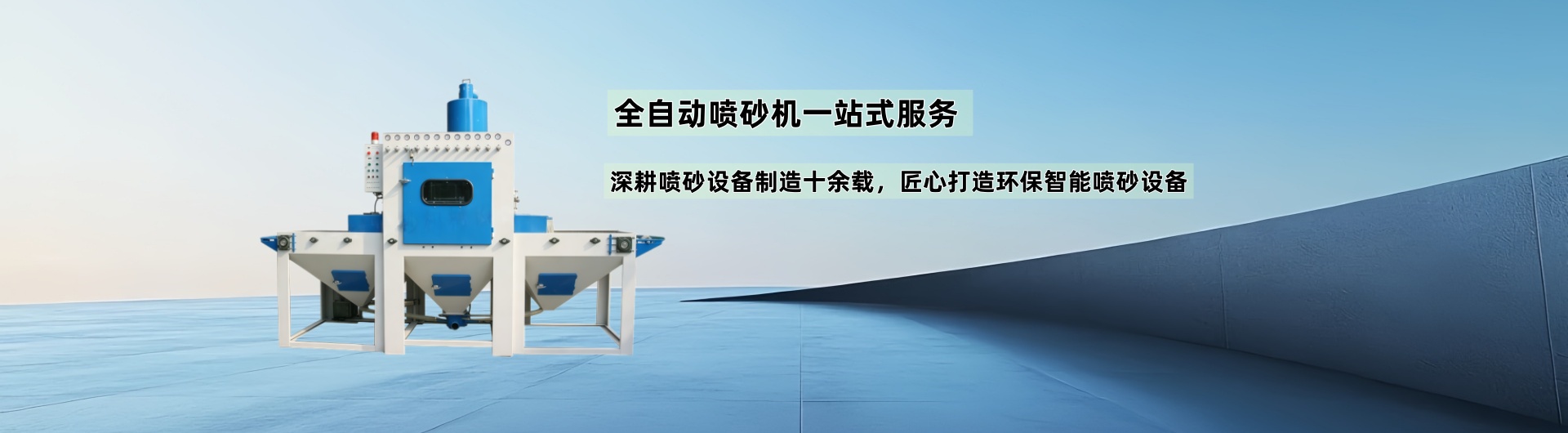

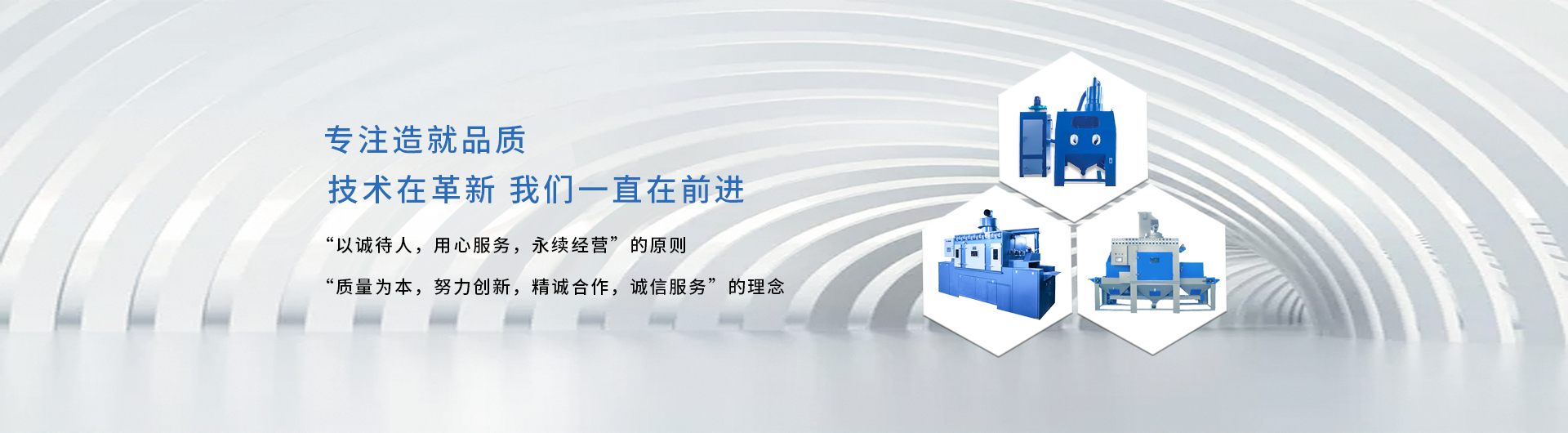
How to choose the right sandblasting machine for products with different materials?
Here is a practical guide for you to choose sandblasting machines according to materials, which can be used directly in the workshop. Without talking about theory, just give a conclusion, and you will choose them at first glance.
First, the core principles (remember these three sentences first)
Small batch → roller sandblasting machine
Fear of collision, precision → manual box/crawler type
The material determines the sand+pressure, and the model depends on the output.
Second, according to the material directly choose sandblasting machine (the most practical)
1. Carbon steel/iron parts (screws, nuts, stamping parts, hardware)
Features: high hardness, not afraid of collision, rust removal and scale removal.
Recommended model
Small pieces and batches: drum sandblasting machine
Large quantity: crawler automatic sandblasting machine
Sand material
Rust removal: brown corundum 46 # ~ 60 #
Pretreatment (electroplating/spraying): white corundum 80#
Pressure: 0.4 ~ 0.6 MPa
Key points: efficiency is preferred and can be rolled.
2. Stainless steel parts (decorative parts, valves, bathrooms, buckles)
Features: matte, uniform, free from impurities and rust.
Recommended model
Small pieces: roller sandblasting machine
Precision/appearance parts: manual box sandblasting machine
Sand material
Standard: glass beads 100 # ~ 150 #
High requirements: ceramic beads
Pressure: 0.3 ~ 0.5 MPa (small, anti-blooming)
Important: Do not use iron-bearing sand, otherwise it will rust.
3. Aluminum alloy/zinc alloy (die-casting small parts, locks, decorative parts)
Features: soft, easy to deform, easy to scratch, high appearance requirements.
Recommended model
Batch: crawler sandblasting machine (no bump)
Precision: manual box type
Sand material
Plastic sand, resin sand, fine glass beads
Pressure: 0.2 ~ 0.4 MPa (low pressure)
Important point: Never use high hardness sand such as emery.
4. Copper/Brass/Bronze (valve, bathroom, electrical terminal)
Features: soft, glossy and even matte.
Recommended model: manual box/small drum
Sand: glass beads 120 # ~ 150 #
Pressure: 0.2 ~ 0.4 MPa
Key points: tap, keep size and appearance.
5. Cast iron/castings (agricultural machinery, pump valves, tool housings)
Features: thick, thick oxide scale, required strength.
Recommended model: drum type/high pressure box type
Sand material: brown corundum, iron sand and steel shot.
Pressure: 0.5 ~ 0.7 MPa
Key points: To remove the scale forcefully.
6. Acrylic, plastic and bakelite (deburring and matte)
Features: extremely soft, easy to touch.
Recommended model: manual box type
Sand: walnut sand and plastic sand.
Pressure: 0.1 ~ 0.3 MPa (ultra-low pressure)
Key points: only light blowing, not hard spraying.
Third, according to the output & shape, choose the model one second.
1. Small pieces, not afraid of collision → roller sandblasting machine
Screws, nuts, gaskets, small iron parts, small stainless steel parts.
2. Appearance parts, fear of bumping → crawler sandblasting machine
Aluminum parts, zinc alloy, bathroom, decorative hardware.
3. Precision, special-shaped, single → manual box sandblasting machine
Moulds, medical instruments, precision parts, samples
4. Oversize parts and plates → High-pressure open/trolley type
Rack, box, large equipment (hardware is generally not needed)
Fourth, the four pits that are most likely to make mistakes
Brown corundum for aluminum parts → direct scrap, deformation and rough surface.
Iron sand for stainless steel → surface iron infiltration, which will rust in the future.
Manual spraying for small parts → high cost, uneven and low efficiency.
The greater the pressure, the better → small parts are deformed, the size is out of tolerance, and the appearance is scrapped
Five, minimalist summary (direct back)
Iron/carbon steel: roller+brown corundum
Stainless steel: roller/box+glass beads
Aluminum/zinc alloy: crawler/box+plastic sand/fine glass beads
Copper parts: box+fine glass beads
Plastic: box+walnut sand/plastic sand
