

 24Hotline:18962699833
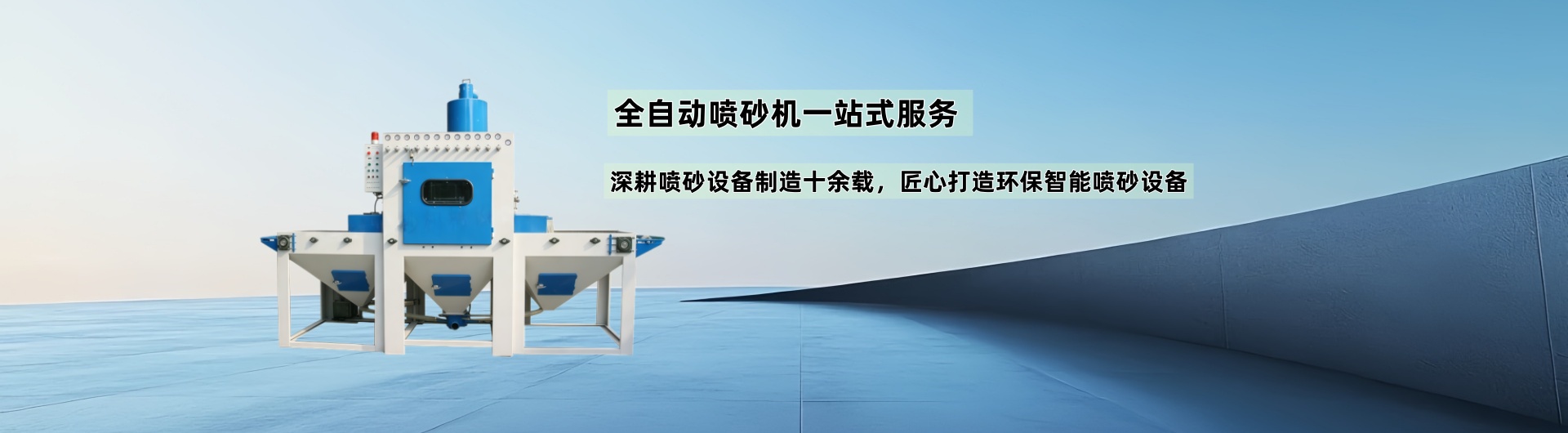

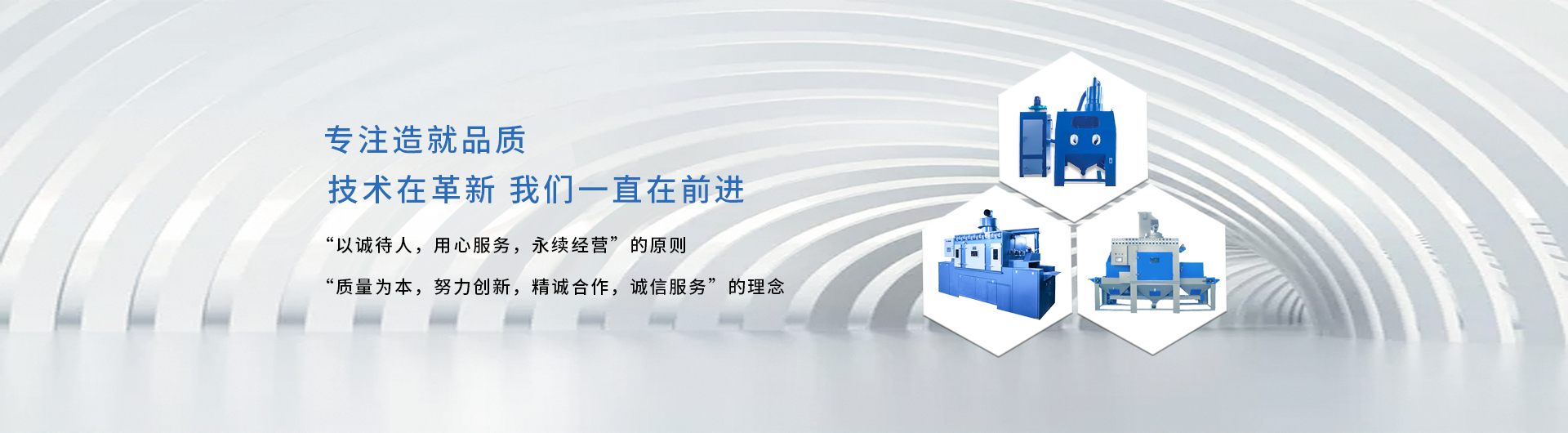
Brief introduction: automatic sandblasting machine is used for surface treatment of sheet metal products.
Automatic sandblasting machine is one of the core equipments for the surface treatment of sheet metal products. It drives abrasives (such as quartz sand, alumina, steel shot, etc.) to act on the surface of sheet metal by high-speed spraying through an automatic control system, so as to achieve the processing purposes of rust removal, scale removal, oil removal, coarsening or beautification. Compared with manual sandblasting, it has the advantages of high efficiency, uniform treatment effect and safe operation, and is widely used in the pretreatment of sheet metal products (such as spraying, before welding) or
Its core function, processing flow and application characteristics in sheet metal surface treatment can be simply summarized as follows:
Core processing functions: Aiming at the common surface problems of sheet metal products (such as steel plates, stainless steel parts, aluminum alloy sheet metal, etc.), the automatic sandblasting machine can realize-① rust removal/descaling: remove the rust and oxide layer generated during sheet metal rolling and storage to avoid the coating falling off during subsequent processing (such as spraying); (2) Oil stain/impurity removal: cleaning cutting fluid, oil stain or dust left after stamping and cutting of sheet metal; (3) surface roughening: make the smooth sheet metal surface form uniform tiny pits, and enhance the adhesion of subsequent spraying and bonding; ④ Beautifying/removing defects: eliminating scratches and indentations on the surface of sheet metal, or creating a uniform appearance such as matte and frosted.
Typical processing flow: high degree of automation is the core advantage, and the flow is usually as follows: ① feeding: manual or mechanical arm sends sheet metal parts into the closed processing cabin of sandblasting machine (to avoid abrasive splashing and dust leakage); ② Parameter setting: the sandblasting pressure (0.3-0.8MPa, adjusted according to the sheet metal material), abrasive type, spraying angle (usually 30-60) and processing time are preset by the control system; ③ Automatic sandblasting: the spray gun (fixed or driven by mechanical arm) in the equipment moves according to the preset path to spray abrasive evenly; ④ Cleaning and blanking: after the processing is completed, the equipment automatically recovers the abrasive (some models have the function of separation and screening, recycling qualified abrasive), and removes the residual dust on the surface of the sheet metal through dust collection system, and finally automatically or manually blanks.
Adapted scenes and advantages: it is more suitable for batch and standardized sheet metal processing requirements, such as-① household appliance sheet metal (such as refrigerator and washing machine shell): the surface before spraying is roughened to improve the adhesion of paint film; ② automotive sheet metal fittings (such as doors and frame parts): remove the oxide scale before welding to avoid welding defects; ③ Metal sheet metal parts (such as distribution boxes and shelves): derusting and surface beautification to prolong the corrosion resistance of products; ④ Stainless steel sheet metal (such as kitchen utensils and medical device housings): Remove surface scratches to create a uniform matte texture.
In addition, it is necessary to pay attention to the selection of abrasives according to the material of sheet metal (such as plastic sand/glass beads for aluminum alloy sheet metal to avoid damaging the surface; Steel shot for carbon steel can enhance the rust removal effect), and at the same time, a dust collection system is needed to meet the environmental protection and safety standards.
